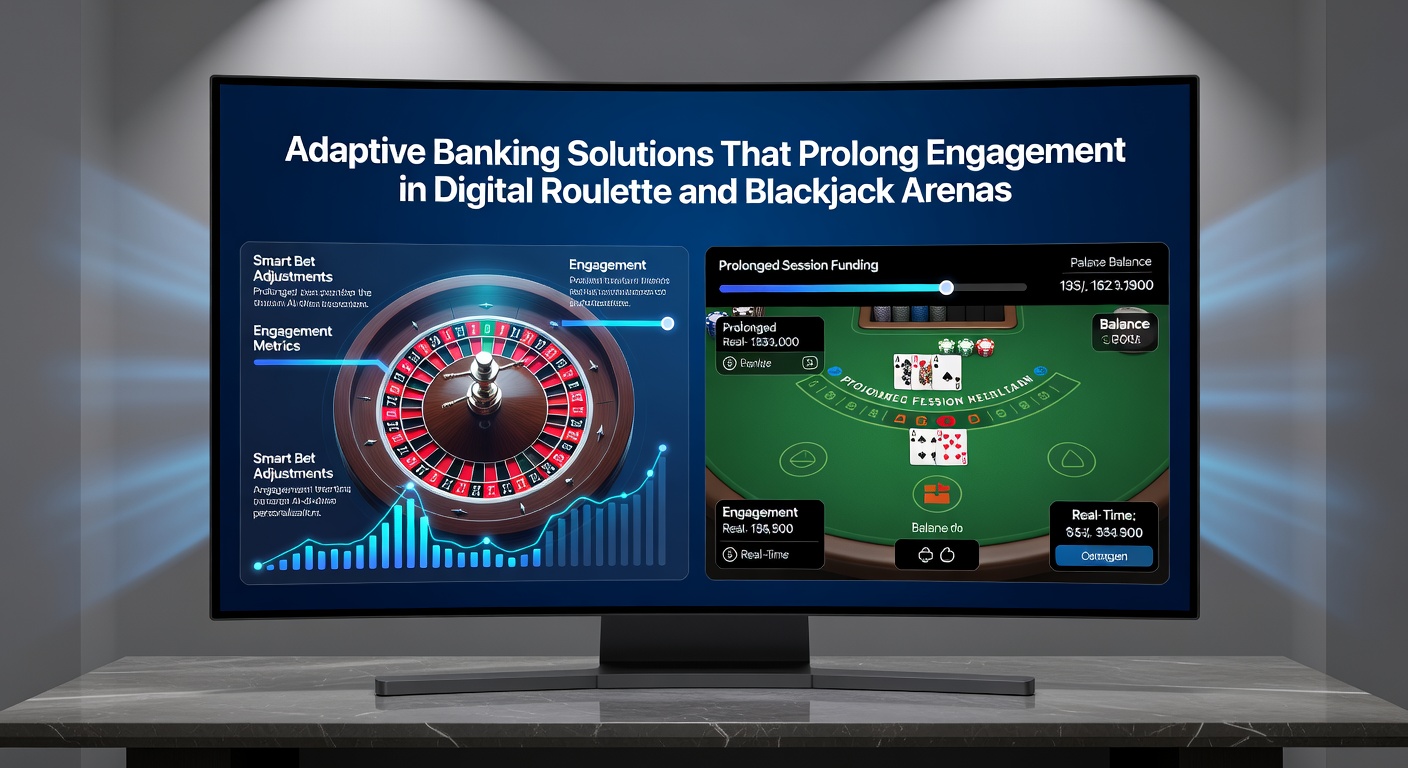
Banking Innovations Tailored for Sustained Play in Online Roulette and Blackjack
Adaptive banking solutions have emerged as key components in digital gaming platforms that feature roulette and blackjack, where systems adjust deposit limits, withdrawal speeds, and payment methods according to individual player patterns and session data. Researchers at institutions studying online entertainment have documented how these tools respond in real time to transaction history, game preferences, and account activity, allowing operators to maintain consistent player presence without disrupting the flow of bets or strategic decisions during live dealer rounds.
Data from industry reports indicates that platforms incorporating variable banking parameters see extended average session durations compared with static systems, particularly in games that require repeated decisions such as card counting simulations or wheel spin sequences. Observers note that when deposit options scale automatically based on prior wins or losses, players encounter fewer interruptions at critical moments, whether they are placing progressive bets on roulette layouts or managing bankrolls across multiple blackjack hands.
Core Mechanisms Behind Adaptive Banking Integration
These solutions rely on algorithms that track metrics including bet frequency, preferred currency pairs, and time spent between transactions, then modify available funding routes accordingly. For instance, a player who consistently uses instant transfer services during high-stakes blackjack rounds might receive prioritized access to those same channels while the system simultaneously suggests adjusted withdrawal thresholds to align with recent performance indicators. Studies conducted across various gaming jurisdictions reveal that such personalization correlates with higher retention rates in table game sections, where engagement often depends on uninterrupted access to funds rather than promotional incentives alone.
What's interesting is how these adaptations extend beyond simple limit adjustments to include predictive elements that anticipate peak activity periods. In May 2026 several major platform providers rolled out enhanced modules that link banking APIs directly to game servers, enabling seamless top-ups during ongoing roulette spins without requiring players to exit the interface. This integration draws on historical data sets compiled from thousands of sessions, allowing the system to recognize patterns like extended blackjack streaks and preemptively streamline associated payment verifications.
Application in Roulette and Blackjack Environments
Roulette arenas benefit from adaptive banking through features that support rapid, repeated deposits during color or number sequence runs, while blackjack tables gain from tools that adjust credit lines based on observed risk tolerance and hand outcome trends. Experts have observed that players using platforms with these capabilities tend to maintain longer participation because the banking layer responds fluidly to in-game momentum rather than enforcing uniform rules across all account types. One analysis from the American Gaming Association highlighted how dynamic payment routing reduced transaction friction in digital table environments by up to thirty percent during peak evening hours.
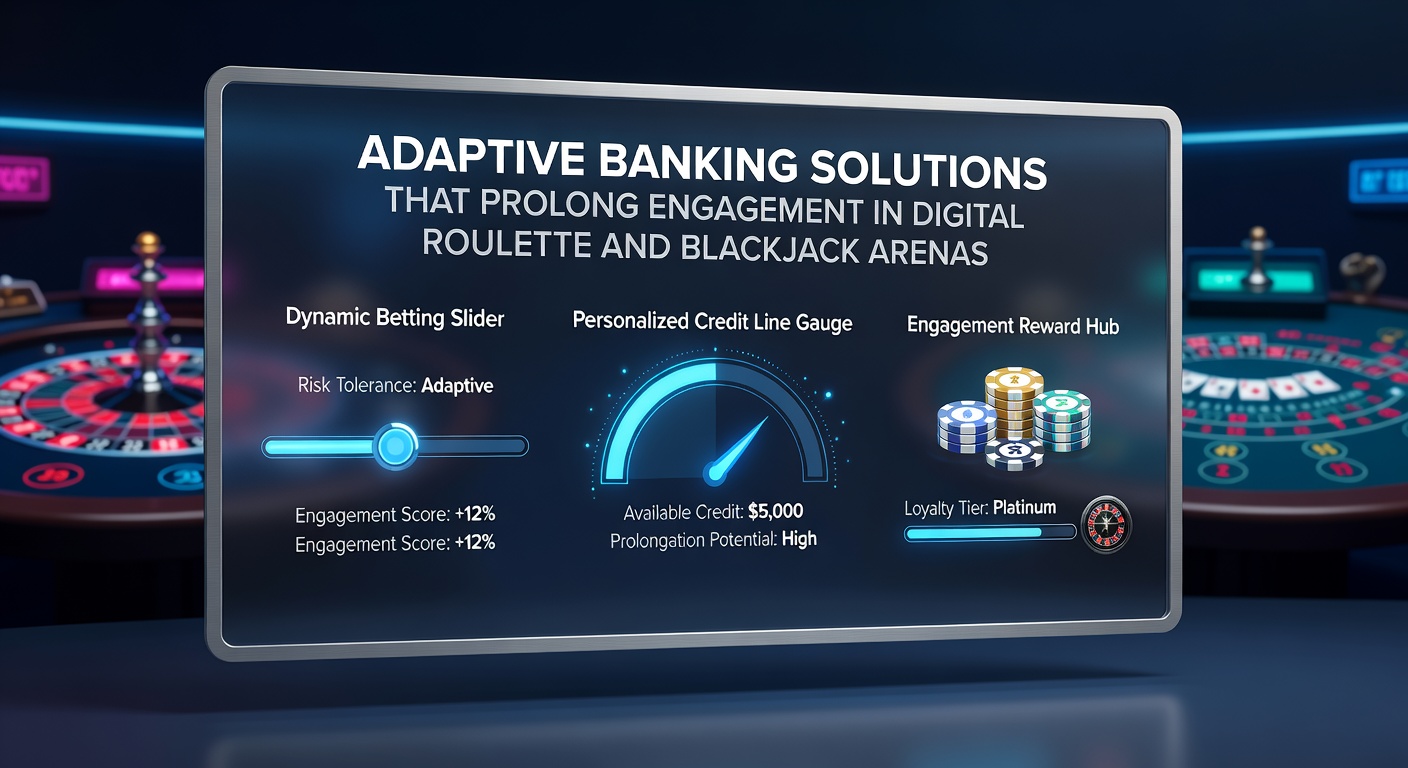
Those who have examined transaction logs across multiple operators point out that adaptive systems often incorporate fallback options, such as shifting from credit card processing to digital wallet transfers when network latency affects certain regions. This flexibility proves especially useful in blackjack scenarios where split or double-down decisions occur in quick succession and any delay in funding can alter strategic choices. Research indicates that platforms employing these layered approaches record steadier engagement curves, with fewer abrupt session endings tied to payment rejections or verification delays.
Regulatory and Technological Context
Regulatory frameworks in various jurisdictions have begun addressing the data handling aspects of adaptive banking, requiring clear disclosures about how player information influences banking parameter adjustments. The Nevada Gaming Control Board has issued guidelines emphasizing transparency in algorithmic decision-making for financial tools tied to gaming accounts, while industry associations in other regions promote standardized reporting on retention metrics linked to these systems. Observers note that compliance with such standards encourages broader adoption without compromising security protocols that protect transaction details during live dealer interactions.
Technological advancements continue to refine these solutions, incorporating machine learning models trained on anonymized session data to forecast optimal banking interventions. A report published by the University of Nevada, Las Vegas Center for Gaming Research outlines how predictive analytics can align deposit availability with typical player fatigue points in extended roulette sessions, thereby supporting sustained focus without external prompts. Figures reveal gradual increases in average playtime metrics where such models have been deployed, particularly among users who engage with both roulette and blackjack within the same account profile.
Conclusion
Adaptive banking continues to shape how players interact with digital roulette and blackjack platforms by providing responsive financial infrastructure that matches individual behavior patterns and session dynamics. As operators refine these tools through ongoing data analysis and regulatory alignment, the emphasis remains on maintaining smooth transaction flows that support extended participation across varied game formats and regional access points.