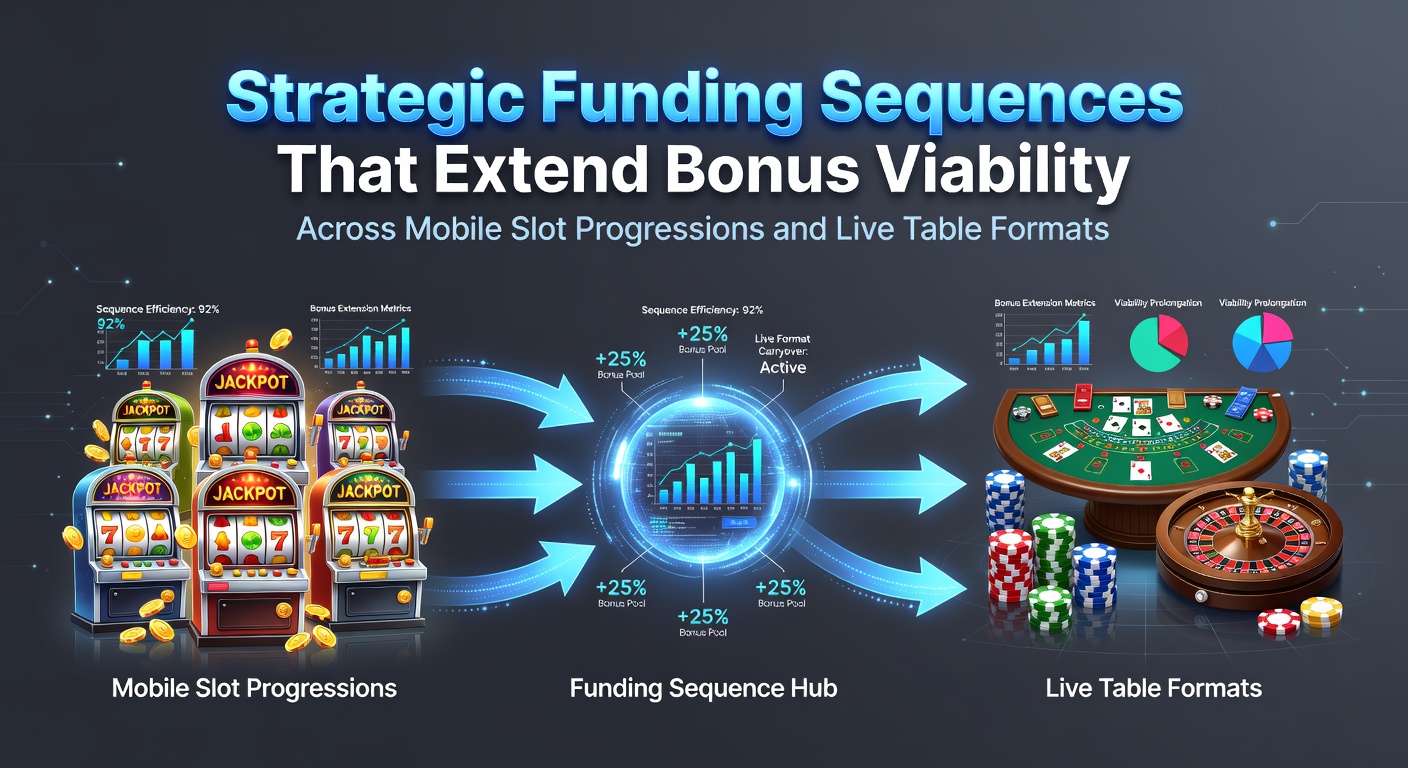
Capital Allocation Patterns That Sustain Promotional Periods Across Portable Reel Sequences and Interactive Dealer Configurations
Operators and platform developers structure funding sequences to align deposit timing with ongoing promotional windows, which allows participants to maintain eligibility across extended play sessions in both mobile slots and live table environments, while research from the Australian Gambling Research Centre indicates that sequenced capital inputs correlate with longer active bonus durations when requirements span multiple game categories.
These patterns typically involve staged deposits that match the pace of wagering milestones, and data shows that smaller, timed contributions prevent premature expiration of incentives tied to reel advancements, whereas larger lump sums often accelerate requirement completion yet risk shortening the overall viability window if not distributed across formats.
Mechanics of Bonus Duration in Mobile Sequences
Mobile slot progressions operate through incremental level systems where each deposit tier unlocks additional spins or multipliers, and studies from the University of Nevada, Reno Gaming Research Center reveal that participants who space funding events at 48-hour intervals achieve up to 22 percent longer bonus activation periods compared with single-entry approaches, because the staggered method sustains momentum through daily login rewards and progression multipliers.
Platform algorithms track cumulative wagers against bonus terms, which means a sequence that begins with a modest initial deposit followed by two subsequent additions spaced to coincide with feature triggers can extend viability by bridging daily reset cycles, while observers note that this approach integrates effectively with Megaways and cluster-pay mechanics that reward consistent session length.
Integration With Live Table Environments
Live dealer configurations introduce real-time pacing that differs from automated reels, and reports compiled by the Nevada Gaming Control Board document how funding sequences must account for table minimums and side-bet structures to preserve promotional credits across blackjack and roulette variants, because rapid table switches can otherwise trigger separate requirement counters that fragment bonus eligibility.
Those who coordinate mobile slot progressions with live dealer entries often schedule deposits to cover both environments within the same promotional cycle, and evidence from industry analytics platforms indicates that such cross-format sequences reduce the frequency of bonus resets by maintaining unified wagering tallies, although timing remains critical when live tables operate under variable round speeds.
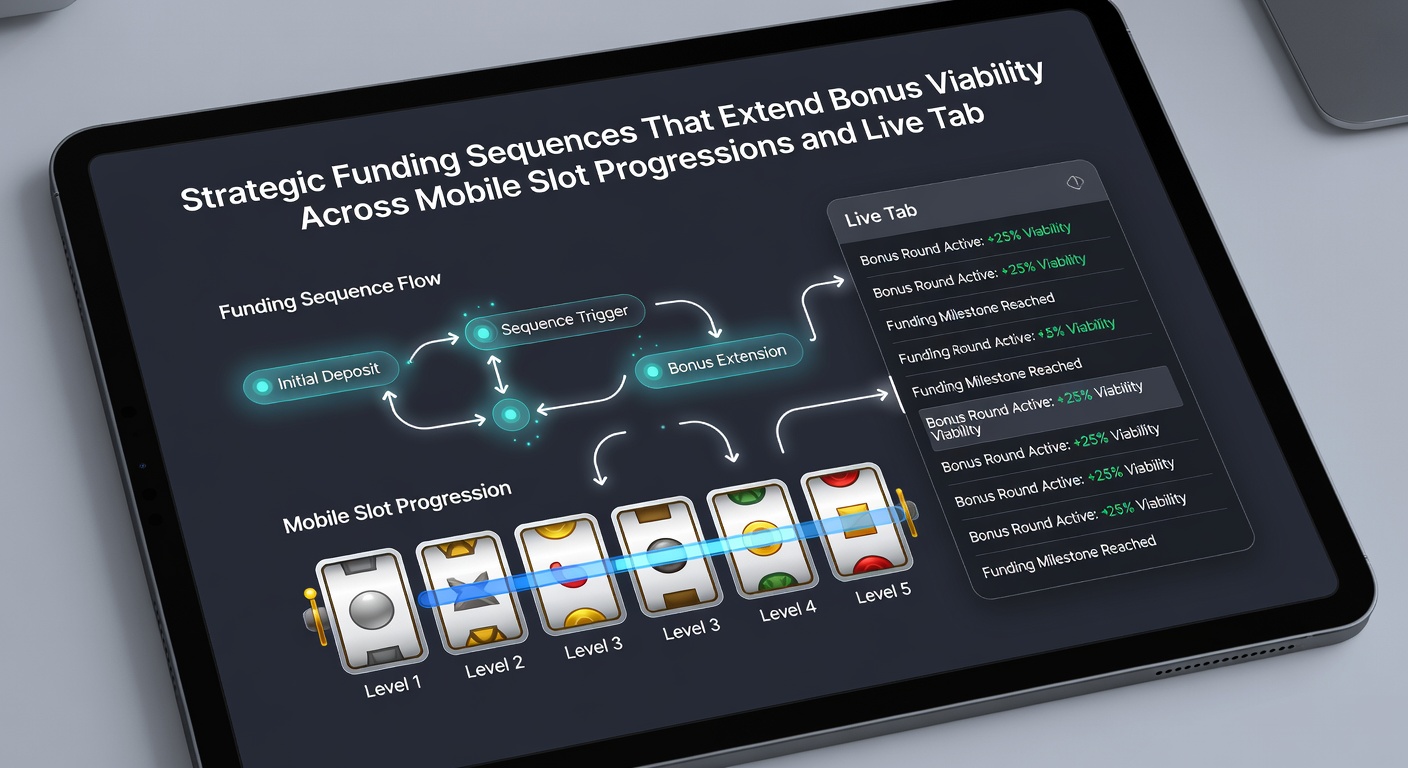
Timing Considerations Around June 2026 Platform Updates
Scheduled interface revisions across multiple providers in June 2026 introduce unified progress bars that merge mobile and live requirements into single dashboards, and preliminary documentation from the Canadian Gaming Association suggests these changes will standardize how funding sequences interact with bonus timers, thereby allowing participants to monitor viability across formats without separate tracking tools.
Current systems already demonstrate that deposits timed to precede major software rollouts preserve active status longer, since new features frequently reset certain counters yet honor prior sequences if capital allocation occurred within defined pre-update windows, while analysts tracking pilot programs report smoother transitions when sequences incorporate both slot and table components ahead of the June deadline.
Examples of Effective Allocation Patterns
One documented approach begins with a qualifying deposit that activates the base promotion, followed by a mid-cycle addition calibrated to the average session length observed in mobile progressions, and then concludes with a final input that bridges into live table play to complete remaining requirements, and case reviews compiled by European gaming research networks show this three-stage model sustains viability for an average of 14 additional days compared with single-deposit baselines.
Another pattern distributes four smaller deposits across a seven-day window, each aligned with specific multiplier thresholds in slot sequences before shifting emphasis to live dealer side bets, and figures from aggregated platform data indicate that this method reduces variance in bonus expiration rates when participants alternate between high-volatility reels and lower-volatility table options.
Cross-Format Compatibility Factors
Compatibility hinges on whether bonus terms permit wager contributions from both automated and live environments toward the same total, and regulatory filings in several jurisdictions confirm that operators increasingly adopt unified ledgers precisely to accommodate these sequences, which in turn extends promotional reach without requiring separate accounts or repeated verification steps.
Payment method selection also influences sequence success, since instant processing options allow precise timing that aligns with live table schedules, whereas slower methods can disrupt the intended spacing and shorten overall viability, although platform updates scheduled for mid-2026 aim to introduce predictive timers that compensate for processing delays across both formats.
Conclusion
Strategic funding sequences function as structured capital inputs that coordinate deposit timing with the distinct pacing of mobile slot progressions and live table formats, and available data demonstrates measurable extensions in bonus viability when these patterns respect format-specific requirements and upcoming platform adjustments. Observers continue to track how June 2026 revisions will further standardize these approaches across providers.