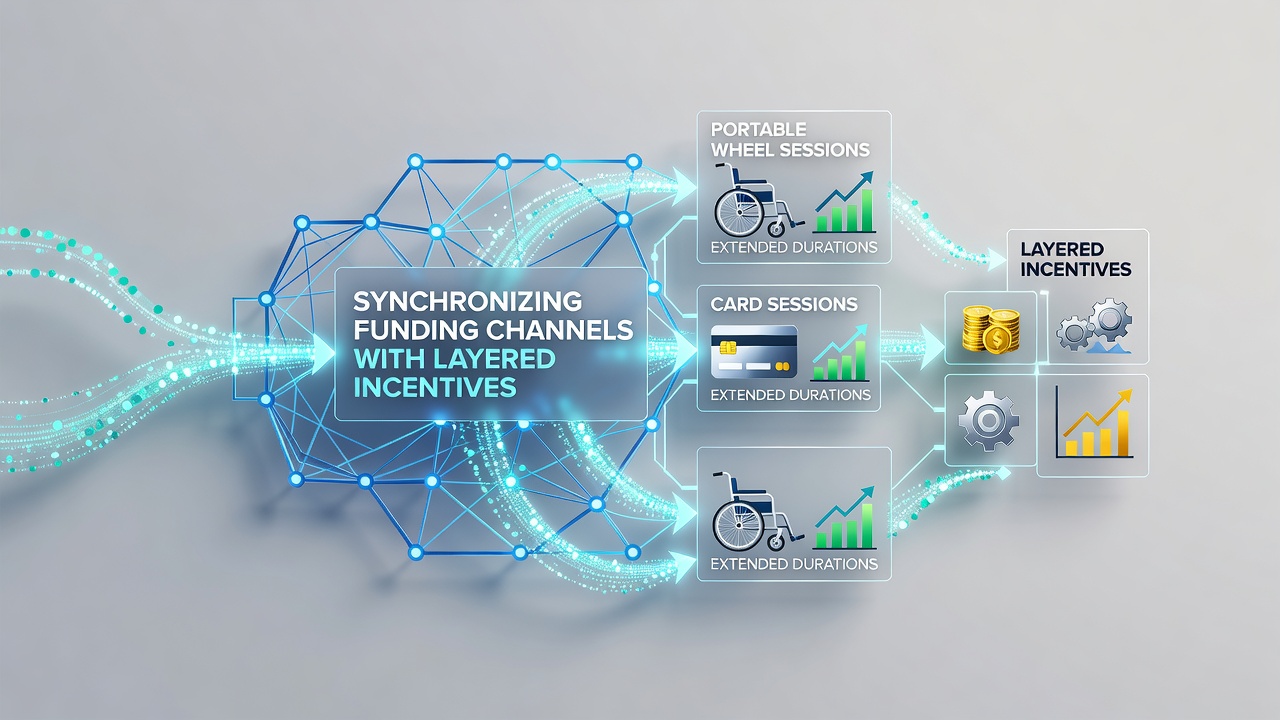
Harmonizing Payment Systems and Stacked Rewards to Lengthen Mobile Roulette and Blackjack Engagements
Operators have developed methods that align various funding channels directly with progressive reward layers, creating conditions where mobile roulette wheels and blackjack tables sustain longer active periods. Data from industry tracking services shows that synchronized deposit flows and bonus triggers reduce friction points during gameplay transitions, allowing sessions to extend without repeated interruptions for payment verification.
Payment processors now integrate real-time authorization tools that match deposit sizes to specific incentive tiers, such as matching bonuses that activate only after a second or third funding step. This coordination means players encounter fewer pauses between card shuffles or wheel spins, as the system automatically applies layered rewards based on the funding sequence rather than requiring separate claims.
Mechanics of Coordinated Funding and Incentive Structures
Multiple deposit methods, including digital wallets and instant bank transfers, connect to backend systems that track cumulative activity across a single session. When a player adds funds through one channel, the platform evaluates prior deposits and applies escalating rewards such as free spins on roulette variants or additional chips for blackjack hands. Research from the University of Nevada's gaming studies unit indicates these layered approaches correlate with measurable increases in average session length across mobile platforms.
Systems monitor transaction velocity and adjust incentive delivery accordingly, releasing portions of a bonus only after successive deposits meet predefined thresholds. This prevents early session termination because rewards accumulate gradually, encouraging continued engagement with wheel outcomes and card decisions instead of forcing users to exit for additional funding actions.
Effects on Portable Wheel and Card Session Lengths
Session duration metrics collected by platform analytics teams reveal patterns where integrated funding and reward layers produce extended play intervals. Players who encounter automatic bonus layering after initial deposits maintain activity through multiple roulette cycles or blackjack rounds without manual intervention. Observers note that platforms deploying these synchronized features record higher retention during peak evening hours, particularly when incentives unlock progressively rather than in single large allocations.
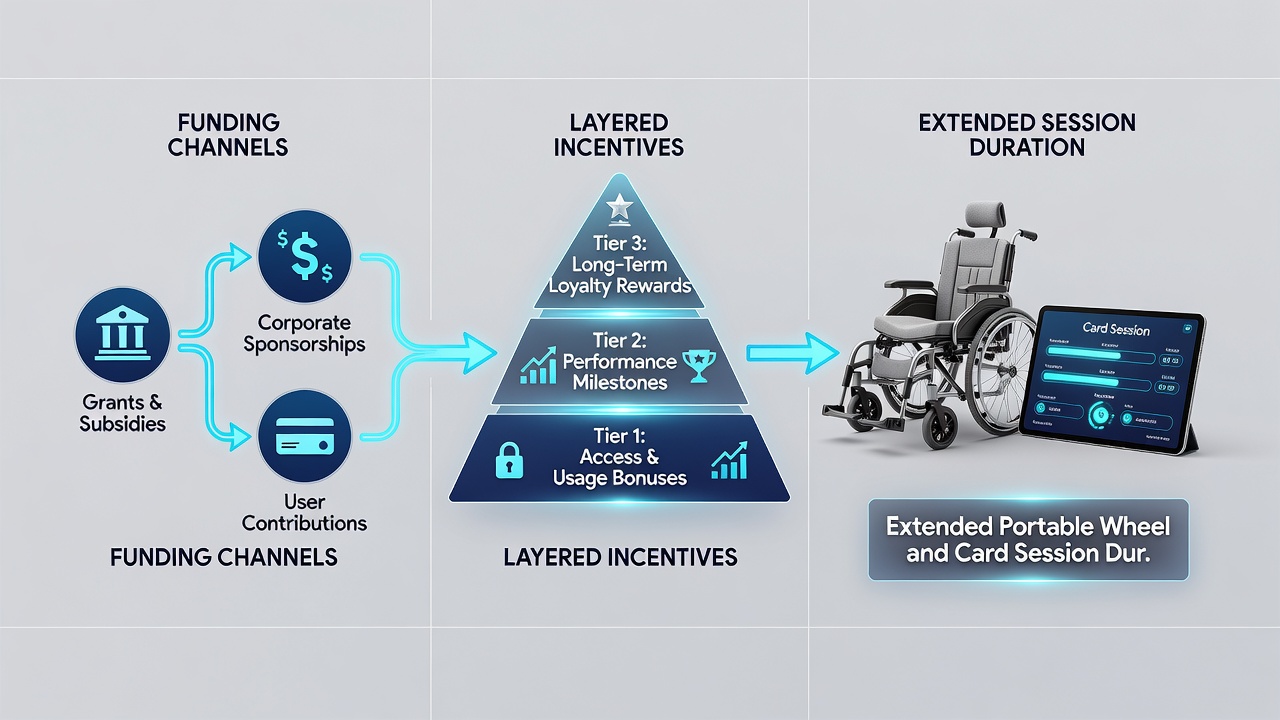
June 2026 brought updates to several regional compliance frameworks that require clearer disclosure of how deposit sequences trigger rewards. Platforms adjusted their synchronization protocols to meet these standards while preserving the flow that keeps mobile sessions active. Data compiled by the Nevada Gaming Control Board shows mobile table game engagement metrics remained stable following these adjustments, with operators refining their layered incentive models to comply without disrupting session continuity.
Regional Comparisons and Platform Adaptations
European operators have adopted similar synchronization techniques, drawing from reports issued by the European Gaming and Betting Association that highlight correlations between seamless payment-reward integration and sustained mobile play. Australian regulatory summaries from the same period document parallel developments where layered bonuses tied to funding channels extended average session times for both wheel and card products on portable devices.
Case examples include platforms that link e-wallet deposits to progressive jackpot contributions in live blackjack environments, automatically advancing reward tiers as players complete additional funding steps. These configurations reduce the need for players to navigate separate menus, keeping focus on game mechanics rather than administrative tasks.
Technical Implementation and Player Pathways
Backend algorithms evaluate deposit history within a defined window and apply corresponding incentive layers without requiring additional user input. When a second funding channel activates, the system may unlock enhanced multipliers for roulette bets or extended decision time in blackjack rounds. Industry reports indicate these automated pathways contribute to fewer abandoned sessions, as the incentive structure reinforces ongoing participation through the mobile interface.
Testing conducted across various device types demonstrates that synchronized systems handle simultaneous funding and gameplay requests efficiently, maintaining low latency during card reveals or wheel resolutions. Developers continue refining these connections to accommodate emerging payment technologies while preserving the layered reward delivery that supports longer engagement periods.
Conclusion
Coordination between funding channels and layered incentives has produced measurable extensions in mobile roulette and blackjack session durations across multiple markets. Platforms continue adapting these mechanisms to align with evolving regulatory expectations while maintaining the operational flow that supports sustained player activity through June 2026 and beyond.