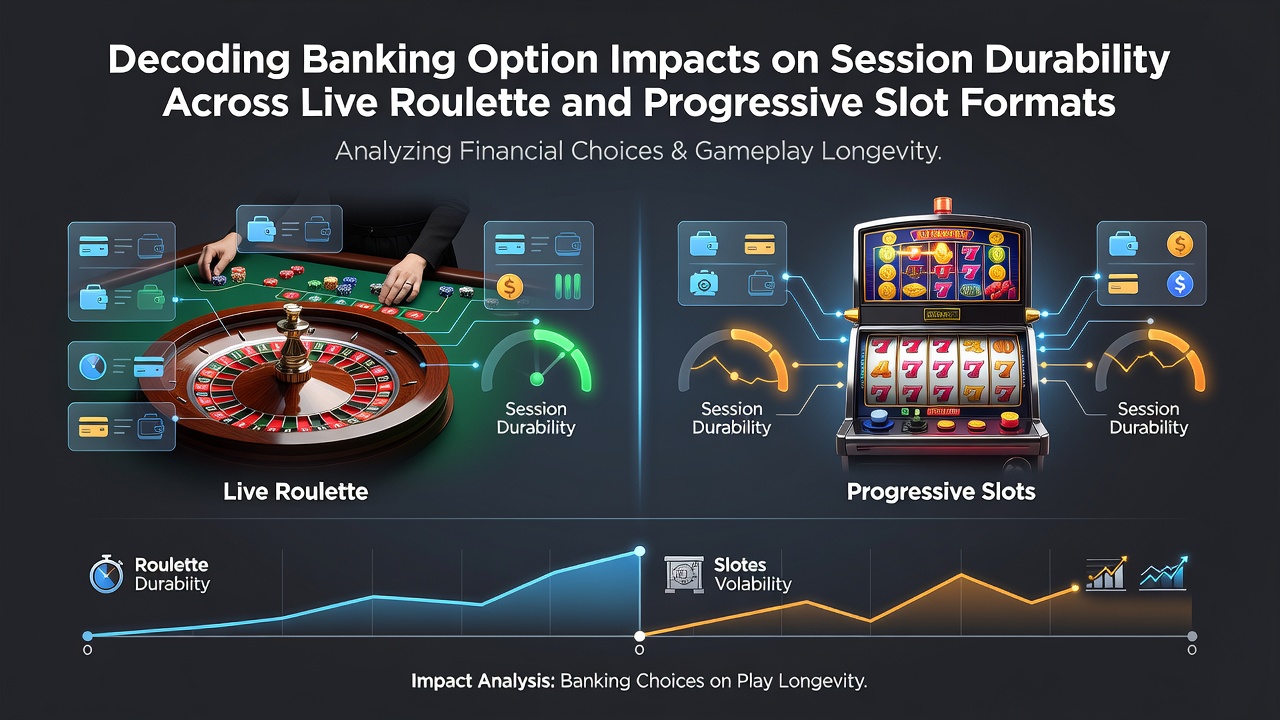
How Payment Methods Influence Session Lengths in Live Roulette and Progressive Slot Games
Data from industry reports shows that banking options directly affect how long players maintain active sessions in live roulette and progressive slot formats, with factors such as transaction speed, fee structures, and withdrawal limits playing central roles in session continuity. Researchers at various gaming analytics firms have tracked these patterns across multiple platforms, noting that seamless deposits often correlate with extended play periods while delays or restrictions tend to shorten them.
Core Elements of Session Durability
Session durability refers to the total time a player remains engaged in a single gaming session, measured from initial login or deposit through to logout or balance depletion, and analysts have identified banking friction as a key variable that disrupts this flow. In live roulette environments, where real-time decisions and dealer interactions create momentum, payment methods that process instantly allow participants to add funds without breaking concentration, whereas slower options interrupt the rhythm and reduce overall duration. Progressive slot formats, by contrast, rely on accumulating contributions toward jackpots, so banking tools that support quick top-ups help sustain the incremental betting cycles that build toward those larger prize pools.
Banking Options and Their Technical Profiles
Modern platforms integrate a range of payment solutions including e-wallets, bank transfers, prepaid cards, and cryptocurrency networks, each carrying distinct processing times and cost profiles that influence player behavior. E-wallet services typically complete deposits in under a minute, enabling immediate resumption of play, while traditional bank wires may require several hours or even a full business day, creating natural pauses that shorten sessions. According to statistics compiled by the North American Association of State and Provincial Lotteries, platforms offering multiple instant options report higher average session lengths compared with those limited to slower methods, particularly during peak evening hours when live dealer tables operate at full capacity.
Effects on Live Roulette Sessions
Live roulette benefits from continuous betting rounds that reward sustained attention, and payment methods with low or zero fees encourage players to reload smaller amounts repeatedly rather than leaving the table. Observers note that when withdrawal processing times exceed standard thresholds, many participants reduce their session length to avoid tying up funds, especially in markets where regulatory caps on session activity apply. In August 2026, several European operators introduced tiered banking incentives tied to roulette tables, linking faster verification to longer permitted play windows, and early data indicates these adjustments extended average roulette sessions by measurable margins without altering game rules.

Impacts Within Progressive Slot Formats
Progressive slots accumulate contributions across networked machines or online instances, creating incentive structures where uninterrupted play increases the chance of triggering major jackpots. Banking options that permit micro-deposits without additional charges help players maintain the steady bet sizes required to stay eligible for progressive pools, while high-fee methods or daily limits force strategic pauses that can break momentum. Studies conducted by research teams at the University of Nevada, Reno gaming laboratory have quantified these effects, finding that cryptocurrency-based deposits correlate with the longest progressive slot sessions because of near-instant settlement and minimal transaction costs across international borders.
Comparative Patterns Across Formats
Direct comparisons reveal that live roulette sessions respond more sensitively to withdrawal speed, since players often cash out winnings mid-session to secure profits, whereas progressive slot participants prioritize deposit flexibility to chase escalating jackpots. Data indicates that platforms supporting both formats with unified banking dashboards achieve more balanced session durability across game types, reducing the drop-off that occurs when players must switch payment interfaces. Yet the reality remains that regional regulations continue to shape available options, with authorities in Australia and Canada emphasizing consumer protection measures that sometimes extend verification times and thereby influence session lengths differently than in less restrictive jurisdictions.
Conclusion
Payment method selection emerges as a measurable driver of session durability in both live roulette and progressive slot environments, with transaction speed, fee transparency, and limit flexibility determining how long players remain active. Continued monitoring by independent research bodies will likely refine these understandings as new banking technologies integrate into gaming platforms worldwide.