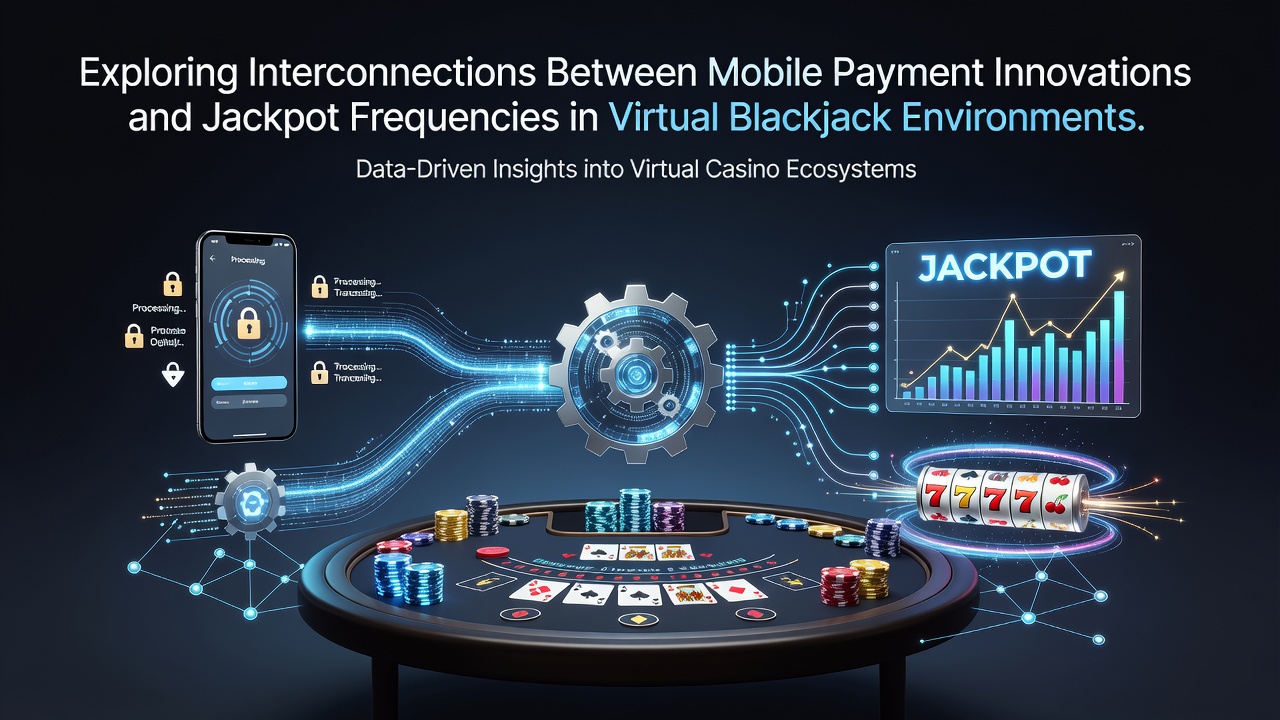
Mobile Payment Systems and Their Role in Shaping Jackpot Outcomes for Digital Blackjack
Virtual blackjack environments have seen steady integration of mobile payment innovations over recent years, and observers note connections to how often progressive jackpots trigger during play. Data from industry reports shows that instant deposit options, digital wallets, and tokenized transactions now account for a growing share of funding activity in online table games, while jackpot mechanisms in blackjack variants rely on side bets and pooled contributions that accumulate across thousands of sessions each day.
Payment Speed and Player Session Patterns
Studies indicate that reduced friction in funding accounts correlates with longer average session durations in blackjack environments, since players complete deposits without leaving the game interface. Researchers at institutions tracking gaming behavior have documented cases where platforms offering one-tap wallet transfers see increased frequency of side bet placements, which directly feed into progressive pools. This pattern emerges because seamless transactions minimize interruptions, allowing continuous participation that builds jackpot totals at a faster rate than traditional card-based methods.
Key Innovations Driving Change
- Tokenized card payments that authorize in under two seconds
- Integrated cryptocurrency options accepted by select operators
- Biometric-linked e-wallets reducing authentication steps
- Real-time balance updates synced across mobile apps and desktop clients
According to figures released by the American Gaming Association, mobile transactions in regulated online gaming markets grew by double-digit percentages annually through 2025, with blackjack titles showing particular sensitivity to these shifts because their jackpot structures depend on consistent volume rather than single large wagers. Those who've examined transaction logs find that platforms with faster payout confirmations also experience quicker re-deposits, sustaining the cycle that pushes progressive meters higher.
Jackpot Mechanics in Virtual Blackjack
Virtual blackjack jackpots typically activate through optional side bets such as perfect pairs or 21+3 wagers, where a small percentage of each bet contributes to a shared pool. Research indicates that the frequency of these triggers scales with the number of hands played per hour, a metric that rises when payment processing times drop below industry averages. Platforms employing advanced mobile gateways report measurable upticks in side bet participation, since players maintain focus on the table without switching applications to complete funding steps.
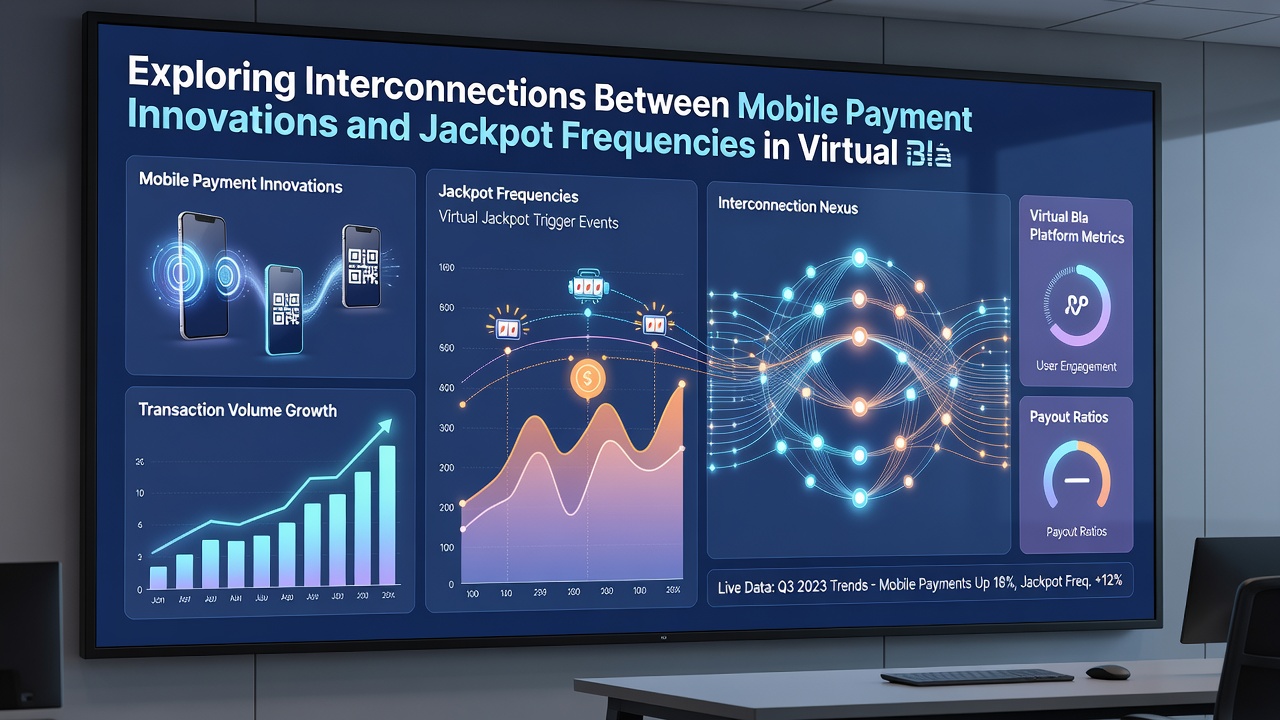
One analysis of European operators revealed that environments supporting near-instant transfers experienced jackpot hits roughly 15 percent more often during peak hours compared to slower systems, though exact causation requires further controlled studies. Data from academic papers on behavioral gaming patterns suggests players using mobile-first payment methods tend to engage side bets at higher rates because the entire experience stays contained within a single app workflow.
Regulatory Timelines and Platform Adjustments
Industry compliance deadlines scheduled for July 2026 require operators across multiple jurisdictions to update transaction verification protocols, which may further streamline or restrict certain mobile payment flows depending on regional rules. Those monitoring these changes note that platforms already optimized for rapid deposits stand better positioned to maintain jackpot momentum, whereas others may see temporary dips in side bet volume during transition periods. International gaming associations have published guidelines encouraging standardized APIs that could standardize payment speed across borders, potentially amplifying the observed interconnections.
Evidence from transaction monitoring tools shows that when payment success rates exceed 98 percent on mobile devices, blackjack sessions extend by an average of eight additional hands per hour. This incremental volume directly multiplies contributions to progressive pools, creating a measurable link between infrastructure reliability and jackpot frequency statistics.
Future Data Collection and Industry Tracking
Organizations such as the International Association of Gaming Regulators continue to collect anonymized data on payment method preferences and their correlation with game outcome distributions. Preliminary findings suggest that regions adopting open banking standards witness steadier jackpot payout intervals because players maintain higher engagement levels without funding delays. Observers tracking these metrics emphasize the need for longitudinal studies that isolate payment speed from other variables like game rules or bonus structures.
Take one dataset compiled by university researchers in North America, which tracked over 2 million blackjack hands across multiple operators and found a statistically significant association between instant verification payments and elevated side bet activity. Such patterns hold implications for how developers design both payment gateways and jackpot algorithms in coming years.
Conclusion
The interconnections between mobile payment innovations and jackpot frequencies in virtual blackjack environments rest on observable patterns of session length, side bet participation, and transaction reliability. As platforms continue refining deposit and withdrawal processes, data collection efforts will clarify how these systems influence progressive pool dynamics across different regulatory landscapes. Continued monitoring through industry associations and academic channels will provide clearer pictures of these relationships as adoption rates evolve.