
Payment Method Strategies That Prolong Participation in Mobile Slots and Live Roulette Sessions
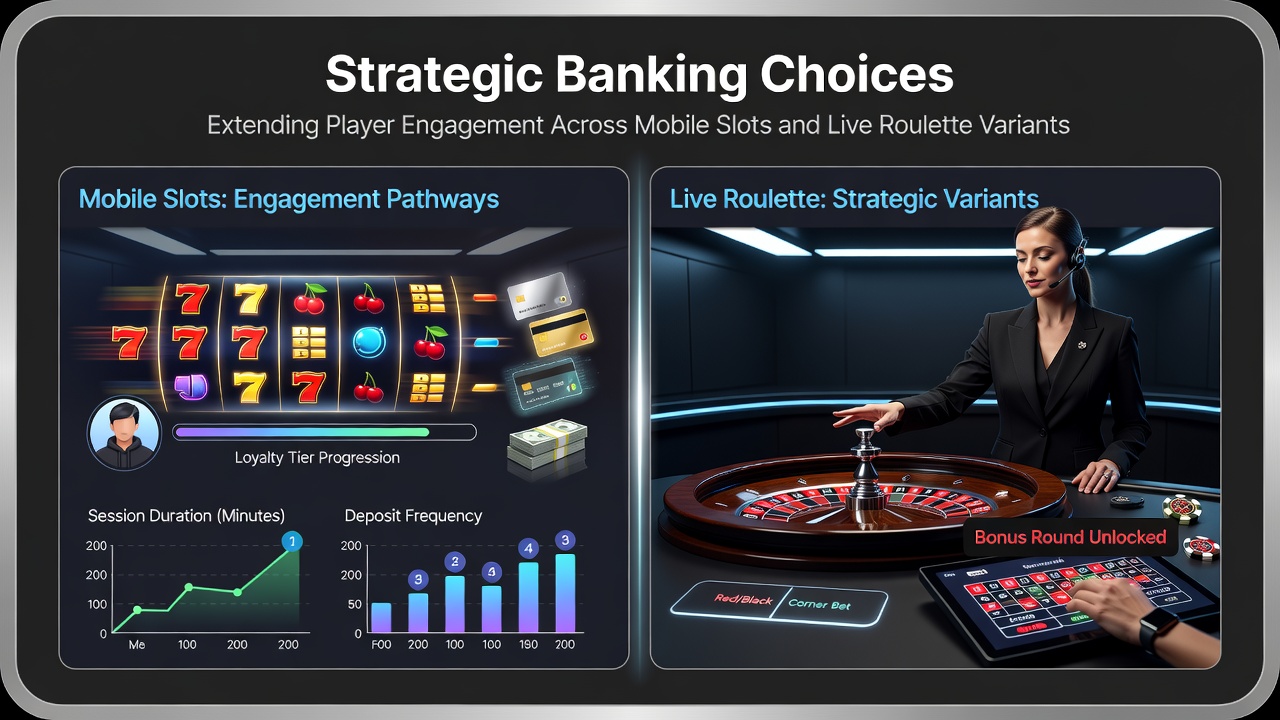
Operators across digital gambling platforms continue to refine banking options as a core element in sustaining longer player sessions, particularly within mobile slots and live roulette variants. Research from the European Gaming and Betting Association highlights how deposit speed and withdrawal flexibility correlate with session duration metrics across multiple markets.
Instant transfer systems allow users to move funds without delays that might otherwise interrupt gameplay flow. In mobile slots, where rapid spin cycles define the experience, these methods reduce friction between rounds. Live roulette tables, meanwhile, benefit from seamless top-ups that keep participants at the virtual wheel during peak betting windows.
Deposit Flexibility and Session Longevity
Studies tracking player behavior indicate that platforms offering multiple deposit channels see higher retention rates over time. E-wallets, prepaid cards, and direct bank links each serve different user preferences. Those who switch between options often extend their activity because they avoid the single-point limitations of any one method.
Data collected by industry analysts shows average session times increasing when users encounter no minimum threshold barriers on smaller deposits. This pattern appears consistently in both slot environments, where micro-bets accumulate, and roulette formats that reward sustained table presence through progressive betting sequences.
Withdrawal Processes and Continued Engagement
Fast cash-out mechanisms play an equally important role. When players receive winnings quickly, they demonstrate greater willingness to return for subsequent sessions rather than seeking alternative platforms. Mobile slot users particularly value this because their play often occurs in short, repeated bursts throughout the day.
Live roulette participants report similar effects. Quick access to funds after a successful streak allows them to re-enter tables without administrative pauses. Observers note that operators integrating same-day processing maintain steadier participation curves compared to those with longer settlement periods.
Regional Regulatory Shifts and Compliance Timelines
Industry adjustments scheduled around July 2026 require operators to align payment systems with updated technical standards. These changes affect how funds move across mobile interfaces and influence the types of banking partners platforms can maintain. Companies preparing early have already begun testing alternative providers that meet both speed and security benchmarks.
Canadian provincial regulators and Australian state authorities have introduced parallel frameworks emphasizing transparent transaction reporting. Such measures encourage platforms to diversify their banking relationships while preserving user convenience across slot and roulette products.
Comparing Banking Options Across Game Types
Mobile slots and live roulette respond differently to the same payment features. Slots reward frequent small deposits that fuel extended spin sequences. Roulette sessions, by contrast, often involve larger single bets and benefit from options that handle bigger transfers without caps or delays.
Case examples from North American markets reveal operators testing tiered banking menus. Users receive prompts suggesting the most suitable method based on their current game selection and balance patterns. This approach reduces drop-off rates when players transition between slot machines and roulette tables within a single login period.
Future Developments in Transaction Technology
Emerging systems incorporate real-time verification that further shortens processing windows. These tools integrate directly with mobile operating systems, allowing background authorization while gameplay continues uninterrupted. Early adopters in European markets report measurable gains in repeat visits when such features roll out across both slot and live dealer sections.
Payment method variety also supports responsible play tools. Users can set deposit limits tied to specific accounts or set cooldown periods between transfers. Platforms that embed these controls within the banking interface rather than as separate menus see higher compliance rates according to aggregated industry reports.
Conclusion
Strategic selection of banking partners and transaction features continues to shape how long players remain active across mobile slots and live roulette offerings. Operators who align their payment infrastructure with user movement patterns and upcoming compliance deadlines position themselves to maintain consistent engagement levels. As regional standards evolve through 2026 and beyond, the connection between banking efficiency and session duration remains a measurable factor in platform performance.