Payment Pathways That Extend Engagement in Mobile Reel Spins and Live Dealer Tables
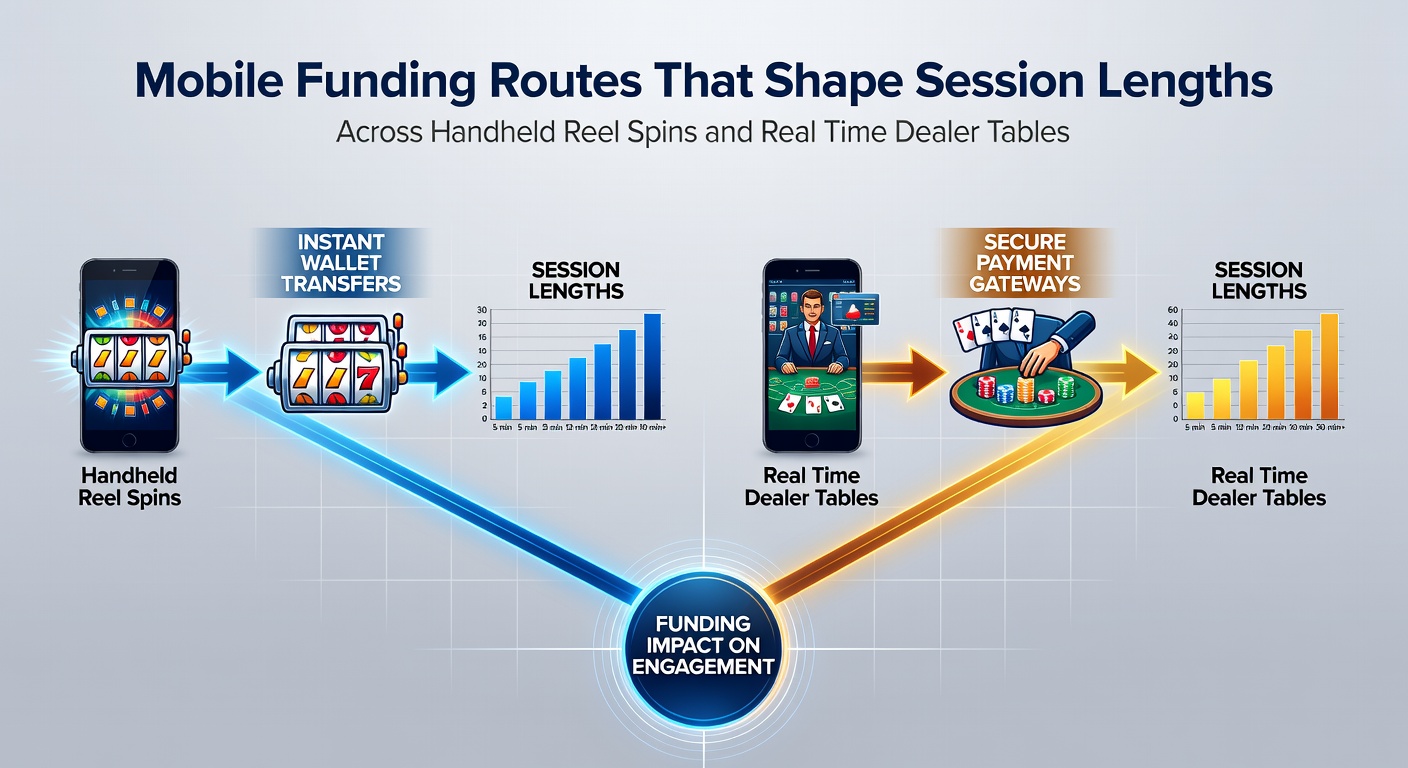
Payment options available through mobile platforms continue to influence how long users remain active across reel-based games and real-time dealer environments, with transaction speed and accessibility playing central roles in session patterns. Data collected by various industry observers shows that methods allowing near-instant deposits often correlate with extended play periods, while slower routes tend to create natural breaks in activity.
Electronic wallet services stand out as one of the most frequently used channels for mobile gaming because they support rapid transfers without requiring users to leave the application interface. Research from the University of Nevada's gaming studies program indicates that players who rely on these wallets complete deposit actions in under thirty seconds on average, which reduces interruptions during both short spin sequences and extended table interactions. Credit card integrations follow closely behind in adoption rates, though processing times can vary depending on the issuing bank and network conditions at peak hours.
Instant Transfers Versus Traditional Banking Routes
Bank transfers and direct debit options provide reliable funding for larger amounts, yet they introduce delays that interrupt momentum in handheld sessions. Those who prefer these methods often schedule deposits in advance, leading to shorter continuous play blocks compared with wallet users who can add funds mid-session without exiting the game screen. In contrast, cryptocurrency pathways have gained traction in several markets since early 2025, with transaction confirmations sometimes completing within minutes and allowing seamless continuation across reel spins and dealer tables alike.
Payment flexibility also shapes behavior differently between game types. Reel games on mobile devices tend to see repeated small deposits that sustain multiple short bursts of activity, whereas live dealer formats encourage fewer but larger top-ups to maintain table presence over longer stretches. Figures released by the Australian Communications and Media Authority in its 2025 digital entertainment review highlight that wallet-enabled sessions in live environments lasted approximately forty percent longer than those funded through standard bank channels during the first quarter of the year.
Regional Trends Emerging in Mid-2026
By June 2026, several North American and European platforms reported increased integration of instant payment rails that sync directly with mobile operating systems, further reducing the steps needed to replenish balances. Observers note that these updates coincide with higher session continuity rates, particularly among users who alternate between slot sequences and dealer interactions within a single login period. Regulatory updates in select Canadian provinces have also encouraged clearer disclosure of processing times, which helps users select routes that align with their preferred play duration.
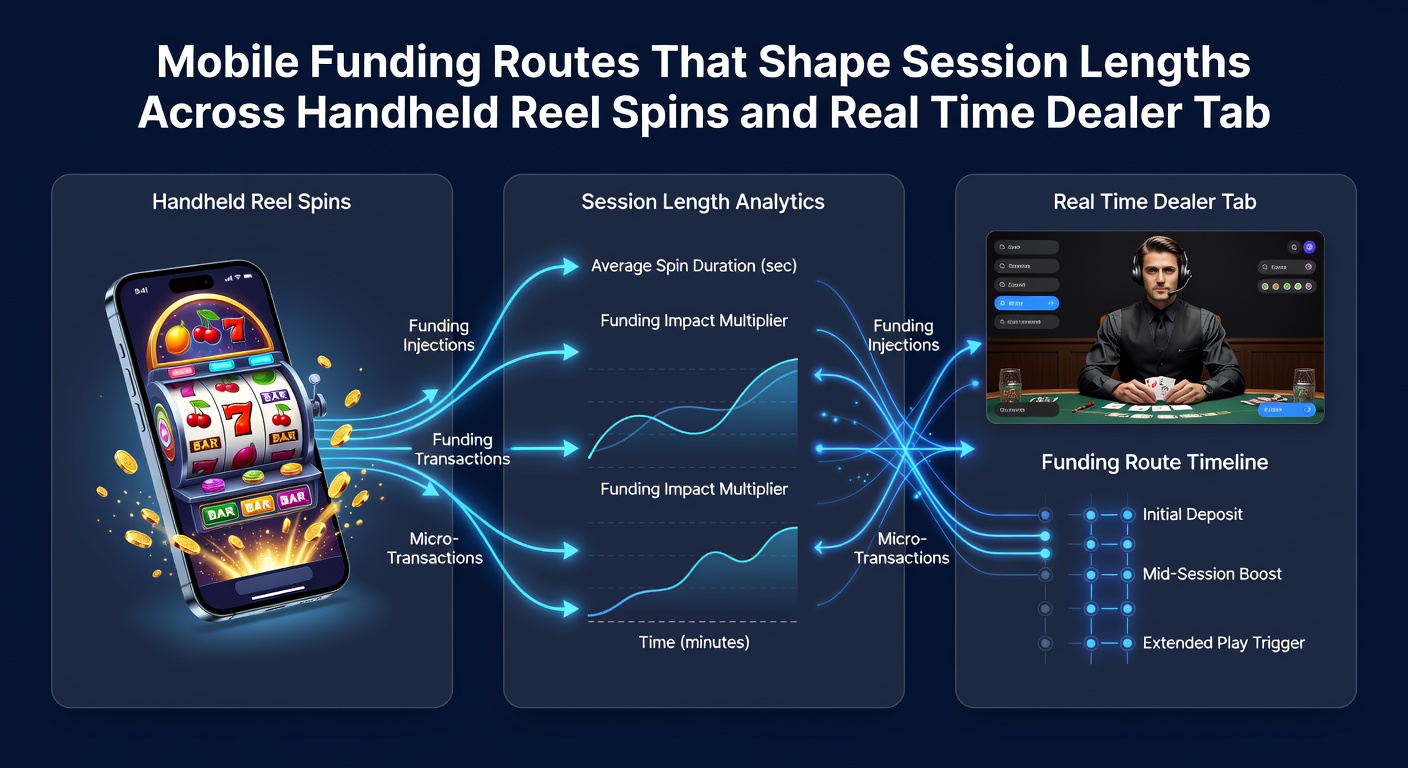
Fee structures attached to each route add another layer of influence. While many wallet providers offer fee-free deposits up to certain thresholds, recurring charges on credit options can prompt users to consolidate transactions, which in turn affects how frequently they return to active play. Industry reports compiled by the European Gaming and Betting Association point to measurable differences in average session length when fee transparency improves, with users showing greater willingness to extend time spent on both reel and table formats.
Device and Network Factors Intersecting With Funding Choices
Mobile network stability and device performance interact with funding speed to determine overall session flow. Users on high-speed connections complete verification steps faster, allowing quicker transitions back into gameplay after each deposit. Slower connections, however, amplify any delays inherent in the chosen payment method and often result in users abandoning longer sessions altogether. Case examples shared in academic papers from Canadian research institutions demonstrate that optimized mobile interfaces combined with instant funding options produce the most consistent engagement across varied game categories.
Security protocols embedded in modern payment systems further support prolonged activity by minimizing the need for repeated authentication during a single session. Biometric verification and token-based authorization let players authorize multiple deposits without re-entering full credentials, which keeps the focus on the games rather than administrative tasks. This seamless experience appears especially relevant for live dealer environments where table timing matters and any extended pause can disrupt participation.
Conclusion
Payment route selection continues to serve as a practical determinant of how sessions unfold across mobile reel and dealer offerings. Faster, lower-friction methods support extended engagement by reducing downtime, while slower or more deliberate options naturally segment play into shorter intervals. As platforms refine these pathways through 2026 and beyond, patterns in session length will likely remain tied to the underlying mechanics of funding rather than game design alone.