
UK Gambling Commission Drops Fresh Stats: Slots Hit £680M GGY While Participation Holds Steady
The Latest Drop from the Gambling Commission
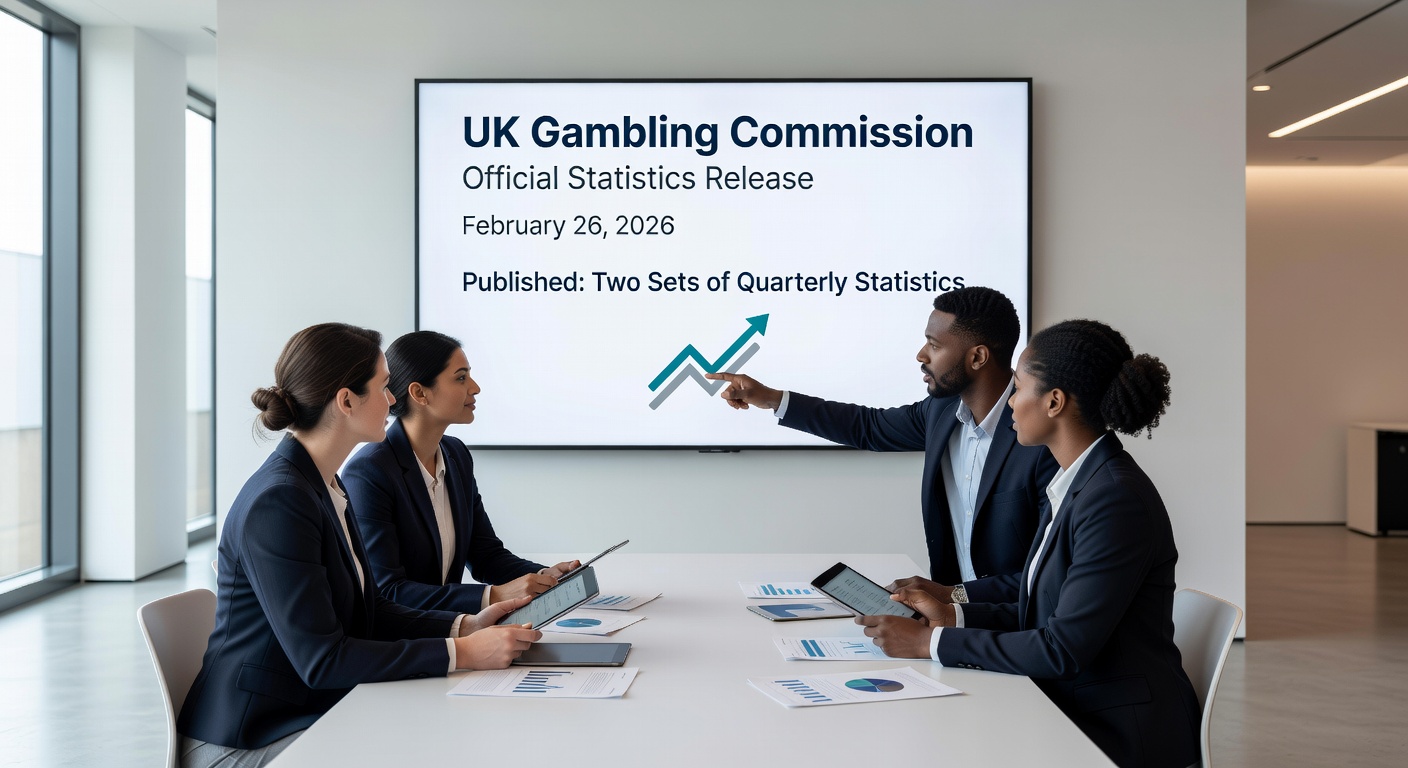
On February 26, 2026, the UK Gambling Commission released two major sets of official statistics, shedding light on the gambling landscape during the latter half of 2025; these include the quarterly industry statistics covering July to September 2025, packed with Gross Gambling Yield (GGY) data that tracks operator profits after payouts, and Wave 3 of the Gambling Survey for Great Britain (GSGB) spanning July to October 2025, which dives into participation rates, motivations behind play, and shifting attitudes among adults.
What's interesting here is how these publications arrive just as industry watchers in March 2026 pore over the numbers, triangulating data from both sources to spot trends like steady player involvement even as revenues climb; experts note this combination offers a fuller picture than either report alone, since industry stats capture financials from licensed operators while the GSGB surveys a representative slice of the adult population.
The quarterly report, formally titled the Industry statistics quarterly report financial year April 2025 to March 2026 Q2, breaks down GGY across sectors, revealing how land-based and remote gambling performed over those summer months when footfall often picks up in pubs and arcades.
Spotlight on Slots: Machines in Premises Rack Up £680 Million
Slots steal the show in the latest figures, with machines located in gambling premises generating £680 million in GGY for July to September 2025 alone; this chunk comes from fruit machines and similar devices in places like arcades, casinos, and bingo halls, where players drop coins or notes into flashing cabinets hoping for a jackpot cascade.
But here's the thing: while that £680 million marks a solid haul—up from previous quarters in some breakdowns—the GSGB paints a different angle on usage patterns, estimating that around 1.9 million adults in Great Britain played fruit or slot machines in the past four weeks leading up to the survey period; of those, 44% did so in bars, clubs, and pubs, highlighting how everyday social spots remain a go-to for casual spins rather than high-roller venues.
Researchers who've crunched these numbers point out the triangulation potential, since stable participation around 1.9 million contrasts with rising GGY, suggesting either higher average spends per session or tweaks in stake limits that operators navigated post-regulatory changes; take one observer who analyzed past waves of the GSGB, noting how pub slots consistently draw crowds for their low-barrier fun, blending pints with quick plays.
And yet, the data doesn't stop at slots; the quarterly stats encompass broader categories like online slots and table games, but premises-based machines stand out for their tangible, community-rooted presence, where GGY reflects not just wins but the steady hum of everyday gambling.
GSGB Wave 3: Participation, Reasons, and Attitudes in Focus
Shifting to the survey side, Wave 3 of the GSGB captures behaviors from July through October 2025, querying thousands of adults on whether they've gambled recently, why they do it, and how they view the activity; figures reveal participation holding firm across slots and other formats, with that 1.9 million figure for fruit/slot machines underscoring a resilient segment even as economic pressures linger from prior years.
People often find the venue breakdown telling—44% in bars, clubs, pubs—because it shows slots thriving in relaxed environments where a quick game accompanies a night out, whereas online play might skew toward homebound sessions; studies from earlier GSGB waves corroborate this, as experts observe pubs maintaining their slice despite digital shifts.
Turns out, attitudes play a role too, with the survey probing perceptions of risk and enjoyment, data indicating most participants see slots as harmless entertainment when played occasionally; this aligns with industry stats, where GGY growth hints at sustained engagement without explosive surges in player numbers.
Now, triangulation kicks in powerfully: while GGY for premises slots hit £680 million, suggesting robust revenue per player, the steady 1.9 million participants imply operators squeezed more yield from existing crowds, perhaps through popular themes or loyalty perks that keep spinners returning.
Quarterly Industry Stats: Beyond Slots to the Full Picture
The July-September quarterly data extends further, logging GGY across remote gambling, lotteries, and society lotteries, but land-based segments like those slot machines draw eyes for their recovery signals post-pandemic; observers note how summer months typically boost premises play, with families hitting arcades and adults unwinding in pubs, funneling cash into machines that light up with cherries and sevens.
One case from the figures highlights this: bingo clubs and adult gaming centres contributed alongside pubs, yet slots overall claimed a hefty share of that £680 million, underscoring their dominance in non-casino settings; and since the report ties into the full financial year from April 2025 to March 2026, early 2026 analysts use it to forecast year-end trends.
So, as March 2026 unfolds, stakeholders cross-reference these with GSGB insights, spotting where participation plateaus while yields rise, a pattern that's not rocket science but speaks to maturing player habits and operator strategies.
Triangulating Trends: Stable Play Meets Rising Yields
Data triangulation—the art of cross-verifying industry finances against population surveys—emerges as a key takeaway from these February releases, allowing experts to confirm that slot participation remains stable at about 1.9 million adults over four weeks, even as premises GGY swells to £680 million; this stability amid growth prompts questions on per-session stakes, with 44% pub play indicating casual, frequent dips rather than big bets.
There's this case where past quarters showed similar dynamics, but the 2025 summer data adds nuance, revealing how regulatory caps on stakes (introduced earlier) coexist with revenue upticks, likely from volume over value; researchers who've studied GSGB waves discover that attitudes toward slots—viewed as fun, low-stakes diversions—bolster this resilience.
It's noteworthy that the Gambling Commission timed these drops amid ongoing affordability checks and white-list reviews, giving the industry concrete benchmarks as compliance ramps up in early 2026.
Yet, the rubber meets the road in pubs and clubs, where that 44% participation fuels half the story, blending social vibes with machine yields that keep premises afloat.
Implications for Players, Operators, and Regulators
For operators, the £680 million GGY signals healthy returns from slots, prompting investments in machine upgrades or venue enhancements to capture that pub crowd; players, meanwhile, stick to familiar haunts, with GSGB data showing motivations tied to excitement and social ties rather than chasing life-changers.
Regulators gain from the dual view, using triangulation to monitor if stable numbers mask problem play or if yields reflect fair play; and as March 2026 brings quarterly updates, these baselines will sharpen focus on slots' role in the broader ecosystem.
People who've tracked this beat know the writing's on the wall: slots endure because they're accessible, with data proving their pull in everyday Britain.
Wrapping Up the Numbers Game
These February 26, 2026, publications from the UK Gambling Commission—quarterly industry stats and GSGB Wave 3—deliver a triangulated snapshot of slots powering ahead with £680 million GGY from premises while 1.9 million adults, including 44% in pubs, keep participation steady; experts leverage this for trend insights, confirming a landscape where revenues grow without player booms, setting the stage for vigilant monitoring into 2026.