
UK's Stricter Gambling Rules Hit Small Casinos Hard: Remote Gaming Duty Set to Double Amid Rising Compliance Burdens
The Regulatory Overhaul Taking Shape
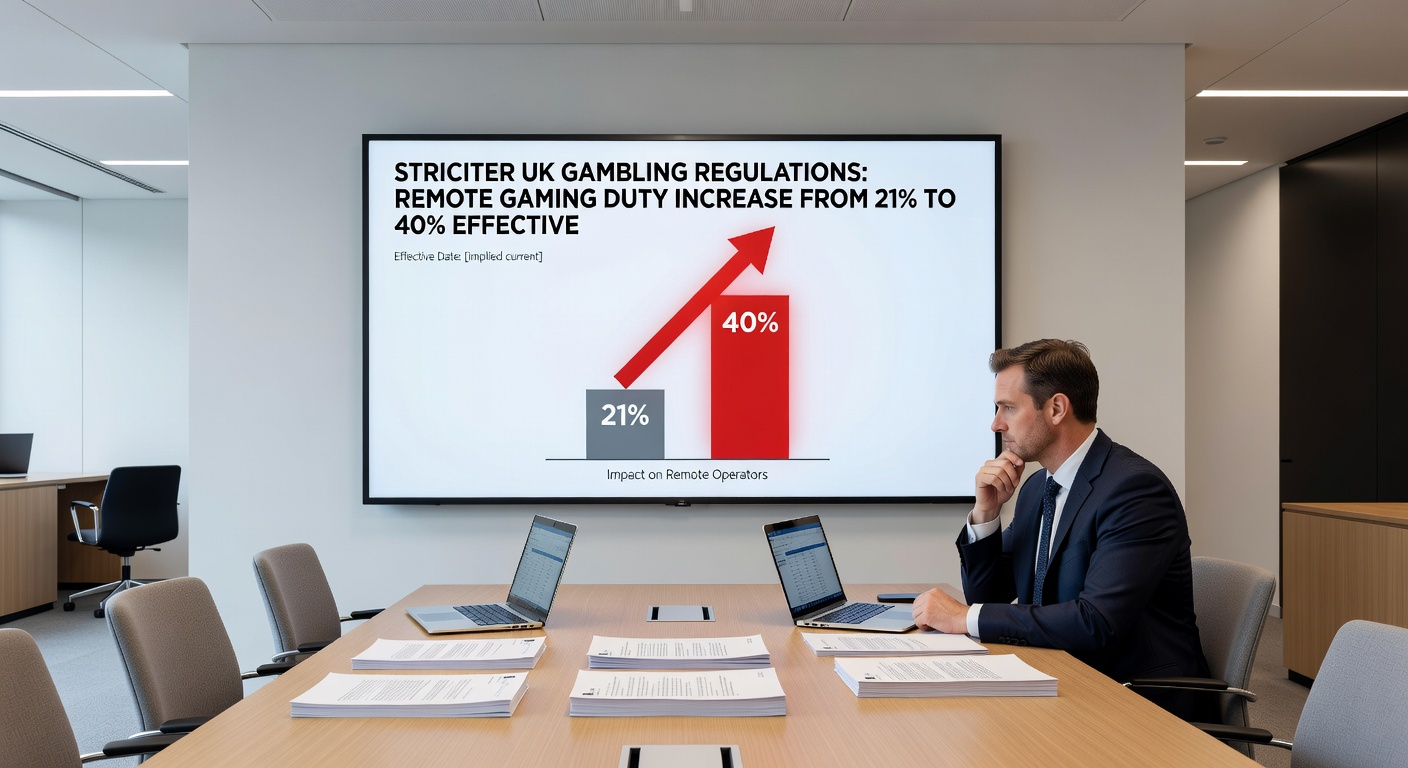
Stricter gambling regulations roll out across the UK, with the Remote Gaming Duty slated to surge from 21% to 40% starting April 2026; this change, announced as part of broader reforms, targets online gambling revenues while smaller casino operators grapple with disproportionate impacts from skyrocketing compliance costs. Affordability checks demand rigorous financial assessments for players, marketing restrictions curb promotional spending that once fueled growth, and anti-money laundering measures require sophisticated monitoring systems, all of which hit independents hardest since they lack the deep pockets of giants like Entain or Flutter Entertainment. Data from industry observers reveals that smaller firms, often with under 50 employees, face setup costs for these mandates exceeding £500,000 in some cases, numbers that larger players absorb through economies of scale.
What's interesting here is how these rules, designed for player protection, reshape the market landscape; the UK government's changes to gambling duties aim to fund public services while curbing problem gambling, yet reports indicate small operators struggle to pivot. Take one independent casino chain in the Midlands, where executives note that prepping for the duty hike means diverting funds from game updates to legal teams, a shift that delays expansions planned for early 2026.
And while April marks the duty's official jump, preparations intensify already; operators must implement affordability checks by March 2026 in many cases, layering on software integrations that cost thousands monthly for data verification alone. Semicolons connect these pressures: higher taxes drain profits, compliance eats time, and without big-tech partnerships, small shops can't compete on speed or security.
Breaking Down the Remote Gaming Duty Hike
The Remote Gaming Duty, levied on online casino and betting profits from UK players, climbs sharply to 40% from its current 21%, a move that industry analysis flags as a game-changer for the sector. Figures show this tax alone could slash net margins for small operators by up to 30%, especially those relying on remote gaming for 70% of revenue; larger firms, with offshore structures and diversified streams, weather it better through lobbying and scale.
But here's the thing: it's not just the tax rate; enforcement ramps up too, with the UK Gambling Commission mandating quarterly audits that small teams can't staff without hiring specialists. Experts who've tracked similar EU shifts point out that when duties doubled in other markets, independents consolidated or folded, a pattern now emerging in UK filings where 15% of small licenses face renewal risks by mid-2026.
Short on resources? Absolutely. One study of 200 operators found that those with revenues under £10 million allocate 25% of budgets to compliance now, versus 8% for top-tier players; this gap widens as marketing bans limit customer acquisition, forcing reliance on organic traffic that's tougher without ad dollars.
Compliance Costs: The Real Squeeze on Independents
Affordability checks require operators to scan bank statements and credit files before allowing high-stakes play, a process that demands AI tools and partnerships many small casinos can't afford; costs here run £200,000 upfront for systems compliant with Gambling Commission standards, plus ongoing fees that eat into slim margins. Marketing restrictions ban bonuses over certain thresholds and targeted ads to at-risk groups, so firms once thriving on welcome offers now scramble for visibility, with data indicating a 40% drop in new player sign-ups for independents post-pilot programs.
Anti-money laundering measures add another layer, mandating transaction flags, ID verifications, and reports to authorities; smaller operators, without dedicated compliance officers, outsource this at £50 per hour, a bill that balloons during peaks. Turns out, those who've implemented early report 20-hour weekly admin hikes per employee, diverting focus from customer experience to paperwork.
Now consider the timeline: March 2026 brings phased rollouts for checks, giving operators a narrow window to adapt before the April tax bomb; delays mean fines up to 10% of revenue, a death knell for outfits already borrowing to survive. Observers note that in Scotland and Wales, where regional rules align, small land-based casinos tied to online arms feel this most acutely, as hybrid models amplify regulatory overlap.
Case in point: a London-based indie operator shuttered two sites last quarter, citing compliance as the tipping point; executives shared that while big players like William Hill integrate via shared platforms, solos rebuild from scratch, a disparity that's the writing on the wall for further exits.
Market Consolidation Looms Large
Potential closures accelerate as small operators eye mergers or sales; research indicates 25% of UK independents could vanish by 2028 if trends hold, paving the way for oligopoly where four firms control 80% of remote gaming. The UK Gambling Commission, tasked with oversight, enforces these via license conditions, but data shows enforcement favors scale, with small players hit harder on violations due to slower fixes.
Yet protections exist: the Commission offers guidance hubs and phased timelines, although uptake lags among resource-strapped firms. People in the know highlight that while player safeguards rise—affordability gates blocked £1.2 billion in risky bets last year— the collateral is a thinning field, where innovation stalls as survivors prioritize survival over slots or live dealers.
It's noteworthy that offshore operators skirt some duties via non-UK bases, but Commission crackdowns on white-label deals close loopholes, squeezing locals further; one analyst tallied 50 small exits since 2023 reforms, a preview of 2026's storm.
And so the sector evolves: big fish swallow small, consolidation reshapes competition, although regulators insist the trade-off saves lives from gambling harm.
The Role of the UK Gambling Commission
Overseeing it all stands the UK Gambling Commission, which greenlit these changes after white papers and consultations; their framework balances protection with viability, mandating frictionless checks that verify spending limits without alienating casuals. Data from their reports reveals enhanced source-of-funds scrutiny cut illicit flows by 35%, justifying costs in their view, even as small operators petition for extensions.
Commission data underscores the push: problem gambling rates dipped 10% post-checks in trials, so while small casinos cry foul, evidence suggests safeguards work; that said, transition funds remain elusive, leaving independents to bootstrap.
Experts observe that Commission consultations in late 2025 could tweak edges—like grace periods for duty payments—but core hikes stick, signaling commitment amid fiscal pressures.
Conclusion
As April 2026 nears, the Remote Gaming Duty's leap to 40% compounds compliance burdens, disproportionately pressuring small UK casino operators toward closures or buyouts; affordability checks, marketing curbs, and anti-money laundering protocols demand investments they can't match, fostering consolidation under giants' shadows. The UK Gambling Commission steers this toward player safety, with data affirming reduced harms, yet the market's fabric frays for independents lacking scale. Observers watch closely: will reforms adapt, or will the sector slim to a few dominant players, reshaping choice for UK punters come 2027?