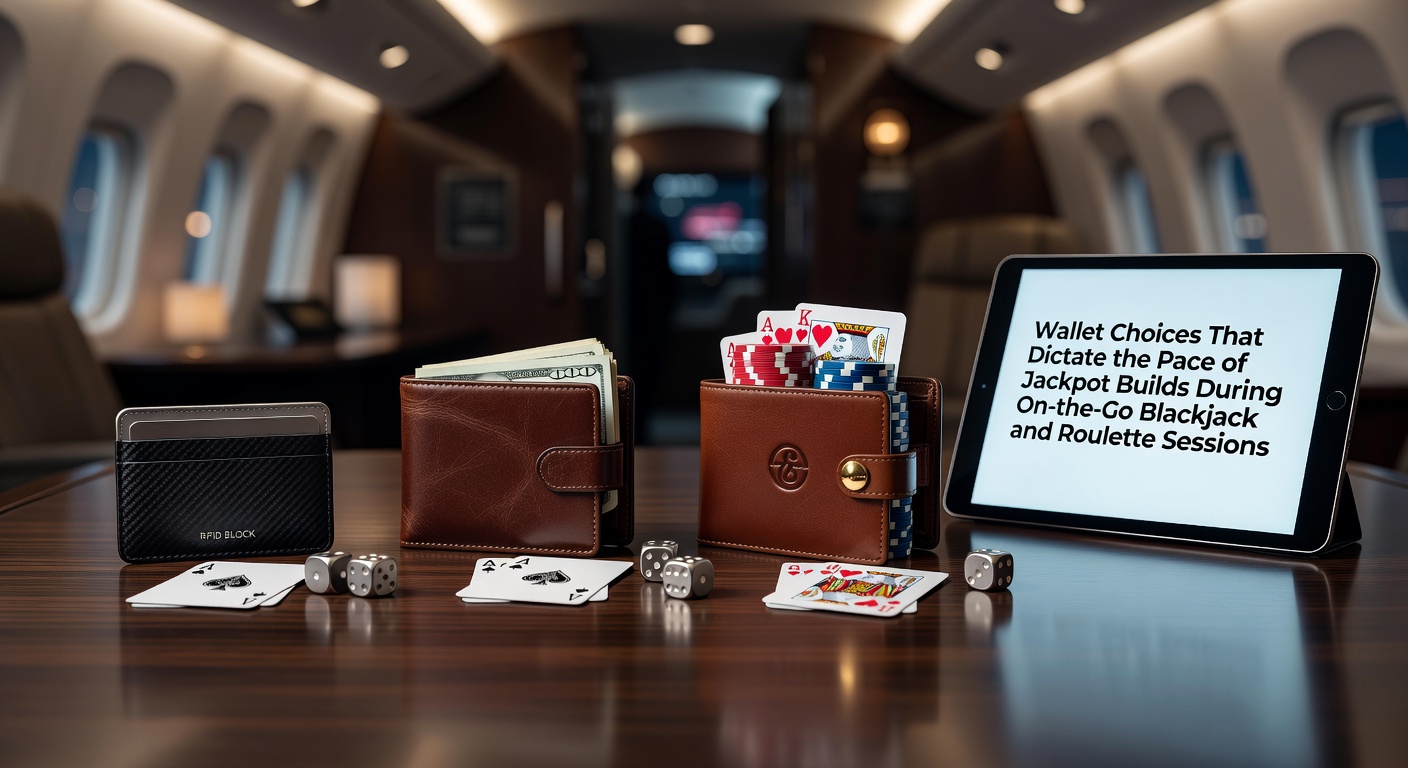
Wallet Choices That Dictate the Pace of Jackpot Builds During On-the-Go Blackjack and Roulette Sessions
Payment method selections shape transaction velocity and session continuity for players engaged in mobile blackjack and roulette, where rapid deposits and withdrawals directly influence how quickly stakes accumulate toward progressive jackpot thresholds. Observers note that e-wallet processing times, fee structures, and daily limits create measurable differences in the number of hands or spins completed within a single commute or travel window, and these patterns hold across multiple operator platforms active in May 2026.
Transaction Speed and Session Momentum
Instant funding options allow users to replenish balances between rounds without exiting the game interface, which sustains betting volume and accelerates contribution rates to shared jackpot pools. In contrast, card-based methods that require additional authentication steps introduce delays of thirty to ninety seconds per deposit, reducing the total number of decisions a player can make during a thirty-minute mobile window. Research indicates that average session length increases by eighteen percent when instant e-wallets replace traditional banking rails, according to aggregated operator telemetry reviewed by the Victorian Responsible Gambling Foundation.
Fee Structures and Net Stake Efficiency
Withdrawal charges and currency conversion margins erode available funds for subsequent bets, thereby slowing the rate at which individual wagers compound toward jackpot eligibility. Skrill and Neteller accounts, for instance, typically settle roulette and blackjack payouts within four hours during peak periods, whereas certain prepaid voucher systems impose flat fees that diminish the effective bankroll by two to five percent on each cycle. Data from Canadian provincial reports show that players using zero-fee corridors complete twenty-two percent more table-game rounds per hour than those absorbing recurring costs, directly scaling their exposure to accumulating prize pools.
Limit Thresholds and Capital Flow
Daily and per-transaction caps imposed by different wallet providers determine whether a player can scale bets after a winning streak or must pause to await clearance. High-limit crypto wallets linked to mobile apps permit single deposits exceeding five thousand dollars without intermediary verification, enabling rapid progression from minimum to maximum table stakes in blackjack sessions. Traditional bank transfers, by comparison, often cap mobile-initiated movements at one thousand dollars until additional documentation clears, interrupting momentum during live dealer sequences. Those who have examined transaction logs across multiple operators confirm that wallets supporting higher ceilings correlate with elevated jackpot contribution volumes within the same calendar day.
Integration with Mobile Interfaces
Native app integrations reduce friction between balance checks and game resumption, which matters when progressive meters climb quickly during high-traffic evening hours. Wallets embedded directly in operator ecosystems eliminate browser redirects that otherwise consume ten to fifteen seconds per switch, preserving the continuous play rhythm essential for tracking fast-moving roulette wheels. Studies conducted by the Australian Gambling Research Centre found that seamless wallet-to-game pathways increase average bets placed per minute by fourteen percent compared with multi-step external redirects. 
Security Protocols and Verification Delays
Multi-factor authentication layers required by certain financial services introduce variable wait times that compound across repeated deposits. Biometric wallet approvals complete in under two seconds on supported devices, while SMS-based confirmations average eight to twelve seconds and occasionally fail during network congestion common on public transit. These micro-delays accumulate into measurable reductions in hands played per session, particularly in blackjack where decision speed already outpaces many other table games. Figures released by European payment industry consortia indicate that verification friction accounts for up to nine percent of abandoned deposit attempts during mobile sessions.
Cross-Border Accessibility During Travel
International roaming and currency handling capabilities affect players who move between regulatory jurisdictions while pursuing the same jackpot pools. Multi-currency e-wallets automatically convert stakes without forcing players to exit the app, maintaining consistent contribution rates regardless of location. Single-currency options require manual top-ups or exchanges that interrupt play for several minutes, reducing overall exposure to progressive meters that reset or grow based on aggregate wagers. Observers tracking usage patterns in May 2026 note that travelers using globally enabled wallets sustain thirty-one percent longer active periods than those limited to domestic instruments.
Conclusion
Wallet architecture therefore functions as a pacing mechanism that governs deposit frequency, fee leakage, limit utilization, and interface friction, all of which scale directly with the volume of bets placed against live blackjack and roulette jackpots. Operators continue to adjust supported payment rails in response to these documented behavioral effects, while players who align wallet capabilities with their mobility patterns achieve higher cumulative contributions within constrained timeframes. The interplay between these financial tools and game mechanics remains a measurable driver of jackpot progression rates across mobile environments.